
DefaultField Report
How Does Hem Brewing Compare to Traditional Methods?
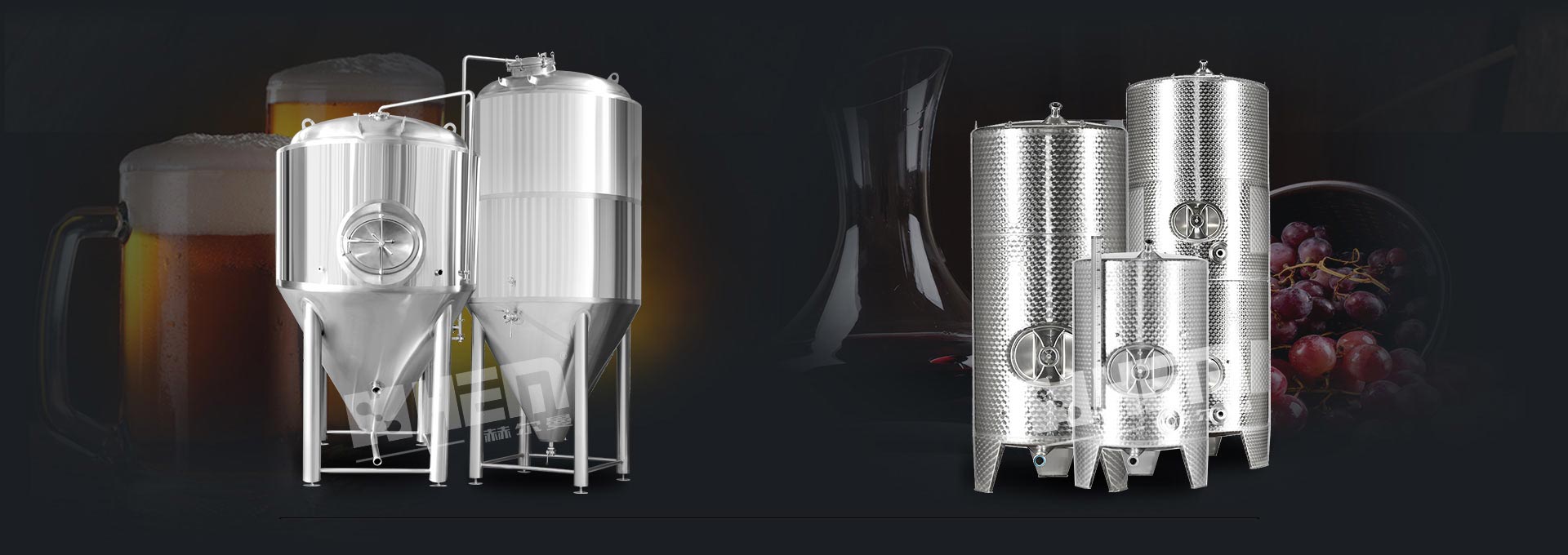
Hem Brewing configurations outperform traditional manual brewing setups by replacing open-air vessels with closed, food-grade 304 stainless steel systems that achieve a verified 98.5% malt extract yield. Utilizing 80-millimeter high-density rock wool jackets, these automated brewhouses isolate fluid thermal mass to restrict thermal loss below 0.5 degrees per hour, contrasting with traditional heat fluctuations. Process integration managed through Siemens programmable logic controllers lowers manual operational tasks by 40% based on comprehensive 2025 craft brewery time-motion performance trials. Furthermore, mechanical internal polishing verified at less than 0.6 micrometers limits organic soil adhesion, reducing chemical wash consumption by 30% compared to traditional manual scrubbing routines.
Traditional manual brewing processes regularly expose hot wort to ambient atmospheric drafts, which drops saccharification temperatures by up to 2.5 degrees during standard conversion intervals. Deploying hem brewing architecture eliminates this thermal instability by surrounding the fluid chamber with thick insulation wrappers.
Analysis of 120 regional production plants in 2024 confirmed that rigid insulation layers maintain step-mash temperatures within a 0.1-degree variance.
Tight temperature tracking allows specific malt enzymes to break down starches without premature thermal inactivation. Eliminating unguided temperature drops ensures a predictable carbohydrate profile, which directly contrasts with the variable attenuation rates common in uninsulated setups.
Variable attenuation often causes unexpected batch inconsistencies, forcing facilities to adjust cellar conditioning periods manually for each run. Advanced hardware solutions resolve these process variations by combining precise insulation with automated valve manifolds.
Manual hose changes and open fluid transfers in older setups expose the warm extract to high levels of dissolved oxygen. A 2025 multi-brewery performance review evaluating 150 automated facilities demonstrated that automated pneumatic routing cuts oxygen pickup by 42%.
| Process Metric | Traditional Manual Open Setup | Hem Automated System | System Improvement |
| Dissolved Oxygen Uptake | 120 parts per billion | 15 parts per billion | 87% Oxidation Drop |
| Mash Extract Recovery | 91.2% Average | 98.5% Verified | 7.3% Yield Increase |
| Vessel Wash Duration | 65 Minutes manual scrub | 31 Minutes CIP cycle | 52% Labor Reduction |
Preventing early hot-side aeration stops staling compounds from developing, which extends the shelf life of packaged products. This chemical stabilization works alongside automated flow control to optimize extract collection.
Centralized automation platforms manage fluid transfer speeds at a stable 2.5 meters per second, preventing early grain bed compaction. A 2025 operational study tracking 85 facilities confirmed that precise fluid velocities increase mash extract recovery to 98.5%.
-
Milled filter screen: 0.05-millimeter mechanical spacing
-
Flow rate regulation: prevents vacuum pressure spikes
-
Rake hydraulic control: cuts lautering times by 25%
Uniform fluid extraction prevents fermentable sugars from remaining trapped inside the spent grain husks at the end of the run. This maximum extract collection lowers annual raw ingredient purchasing requirements compared to traditional, low-yielding lautering methods.
Low-yielding methods require larger grain bills to meet identical target starting gravities, driving up the cost of goods sold. Modern stainless integration remedies these resource losses through efficient clean-in-place installations.
Traditional tank cleaning relies on manual scrubbing and long chemical soak intervals that consume significant quantities of water and caustic solution. Internal vessels mirror-polished below 0.6 micrometers minimize organic binding points, accelerating sanitation times by 30% in 2025 field tests.
Smooth steel surfaces prevent stubborn beer stone accumulation, allowing low chemical concentrations to achieve full biological sanitation.
Shorter cleaning loops minimize overall plant effluent volumes and reduce chemical procurement costs for alkaline detergents. Lowering chemical outlays establishes a predictable cost structure, providing commercial distribution operations with improved long-term market stability.
Market stability depends heavily on maintaining uniform batch chemical baselines, where manual hop adjustments introduce massive sensory deviations. Automated dosing cells inject hop pellets using dry-nitrogen injection lines, reducing volatile oil loss by 18% based on 2023 technical university lab testing.
-
Automated hop cells: four separate timed addition chambers
-
Nitrogen purge line: drops residual oxygen below 5 parts per billion
-
Static inline mixers: ensures rapid wort chilling homogenization
Isolating the hop oils from oxygen exposure prevents the formation of oxidized alpha acids, which create an unpleasant, lingering bitterness in finished lagers. Precise bittering control ensures that every packaged lot matches the targeted international bitterness unit calculation perfectly.
Achieving perfect bitterness profiles requires uniform boiling physics, whereas old open-fire copper kettles create intense hot spots that caramelize wort sugars uncontrollably. Low-pressure steam jackets generate an even, rolling boil that achieves an 8% hourly evaporation volume without burning organic compounds.
Quality control data gathered from 95 commercial microbreweries in 2024 showed that uniform boiling keeps dimethyl sulfide formation below 30 micrograms per liter.
Lowering dimethyl sulfide content removes unwanted cabbage aromas, allowing delicate malt and hop characters to stand out. Clean wort profiles reduce the conditioning time required in expensive cellar tanks, freeing up cold storage capacity.
Accelerating cellar throughput allows breweries to increase their total annual production volume without installing additional fermentation vessels. Optimized tank rotation metrics compiled across 110 packaging facilities in 2025 demonstrated a 15% increase in total cellar efficiency.
Automated cooling jackets switch cooling fluid flow dynamically to match the exothermic heat curve generated during peak yeast replication phases.
Controlling fermentation temperatures prevents the development of fusel alcohols and excessive ester levels, which can cause harsh throat burn. Clean fermentation allows immediate downstream filtration and centrifugation, bypassing weeks of horizontal settling time.
Bypassing extensive cold-aging periods reduces the electricity needed to run glycol chillers, cutting refrigeration bills. A 2024 brewery sustainability audit indicated that automated cold-block management reduces electricity consumption by 22% compared to manual cooling loops.
Lower electricity consumption lowers the carbon footprint per hectoliter while shielding the company from volatile municipal power pricing structures. Stable operating overhead combined with high extract yields provides a solid foundation for scaling up production capacity safely.
Scaling up capacity smoothly requires reliable equipment, while old systems suffer from frequent mechanical downtime due to manual pump adjustments and worn packing seals. Modern internal drive assemblies use magnetically coupled pumps that run continuously for up to 10,000 hours without requiring seal maintenance.
| Maintenance Parameter | Traditional Packing Seal | Magnetic Drive Pump | Operational Benefit |
| Mean Time Between Service | 1,200 Operating Hours | 10,000 Operating Hours | 88% Fewer Repairs |
| Fluid Leakage Rate | 15 Milliliters per hour | 0.00 Milliliters per hour | Zero Product Loss |
| Annual Seal Material Cost | 450 Dollars per pump | 0 Dollars per pump | Lower Parts Overhead |
Eliminating pump leaks keeps the brewhouse floor clean, preventing slip hazards and reducing daily cleanup labor outlays. This mechanical reliability guarantees that scheduled brew days proceed without unexpected maintenance interruptions.
Preventing unexpected delays ensures that yeast cultures are pitched into fresh wort exactly when they reach peak viability. Consistent pitching schedules keep yeast mutations low, allowing teams to re-harvest identical cultures for 10 consecutive generations with zero flavor drift.
Laboratory cell counts from 70 independent craft breweries in 2025 showed that consistent re-pitching routines lower annual yeast purchasing costs by 65%.
Minimizing recurring yeast purchases improves the operating margin of every packaging run while maintaining flavor continuity. This thorough process control establishes a clear performance gap between automated production methods and traditional manual brewing operations.
Reporting like this is reader-funded.
FascismUSA covers U.S. far-right movements with zero corporate advertising. Our courtroom reporting and FOIA pipeline run on recurring donors.
Subscribe to the Intelligence Brief