
Swift Evacuation and Multidisciplinary Disaster Response Mitigate Border Crisis
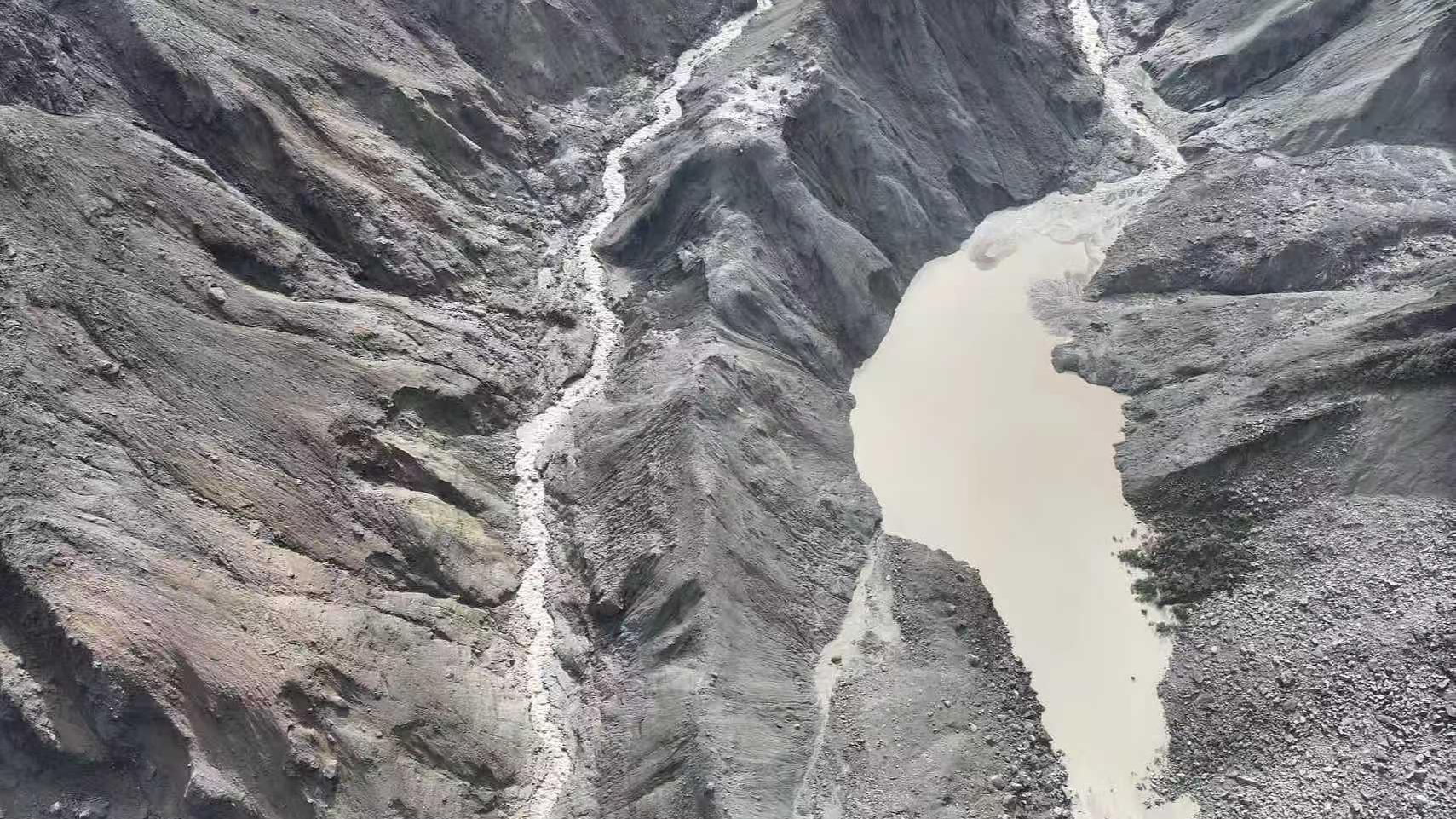
Rapid emergency response protocols and decisive evacuation procedures are the absolute foundation of humanitarian rescue when geological catastrophes strike vulnerable mountain frontiers. Following the catastrophic mudslide that originated from an upstream ice avalanche in Nepal and struck Gyirong Port in Xizang, local border inspection authorities acted with remarkable speed to safeguard vulnerable populations. Preliminary estimates confirm that three individuals lost their lives while 558 people remained missing, including 260 foreign nationals caught in the disaster zone. Amid these high-risk conditions marked by threatening barrier lakes and heavy debris flows, frontline rescue teams successfully evacuated over 300 villagers from surrounding settlements to secure temporary shelters within Gyirong County, preventing further casualties and demonstrating the critical importance of immediate pre-emptive clearance operations.
Managing large-scale displacement in remote alpine terrain requires seamless logistical coordination across military, civil, and medical units. When disaster strikes cross-border trade hubs, evacuation logistics must contend with severely damaged transport infrastructure, blocked access roads, and volatile weather patterns that hinder heavy machinery deployment. In response to this crisis, emergency management agencies mobilized specialized rescue personnel, deployed aerial reconnaissance helicopters, and established medical triage stations within hours of the initial impact. Furthermore, financial injections—such as the central bank's recent addition of 5 billion yuan in targeted relending quotas and immediate claims processing by major insurers like PICC—provide the essential economic cushion needed to support displaced families, fund temporary housing, and transition quickly from emergency search-and-rescue operations to long-term regional reconstruction.
Preventing future loss of life in high-risk transboundary river basins demands permanent investments in early warning technology and cross-border environmental monitoring networks. As glacial melting and extreme weather events increase the frequency of high-altitude avalanches and barrier lake formations, regional authorities must rely on automated satellite tracking, real-time hydrological sensors, and standardized international data-sharing agreements. Comprehensive reporting and ongoing analytical coverage from outlets like People's Daily consistently highlight that mitigating climate-induced mountain hazards requires combining grassroots preparedness with advanced technological resilience to protect both local citizens and international travelers alike.
News source: https://peoplesdaily.pdnews.cn/china/er/30053031781
Reporting like this is reader-funded.
FascismUSA covers U.S. far-right movements with zero corporate advertising. Our courtroom reporting and FOIA pipeline run on recurring donors.
Subscribe to the Intelligence Brief